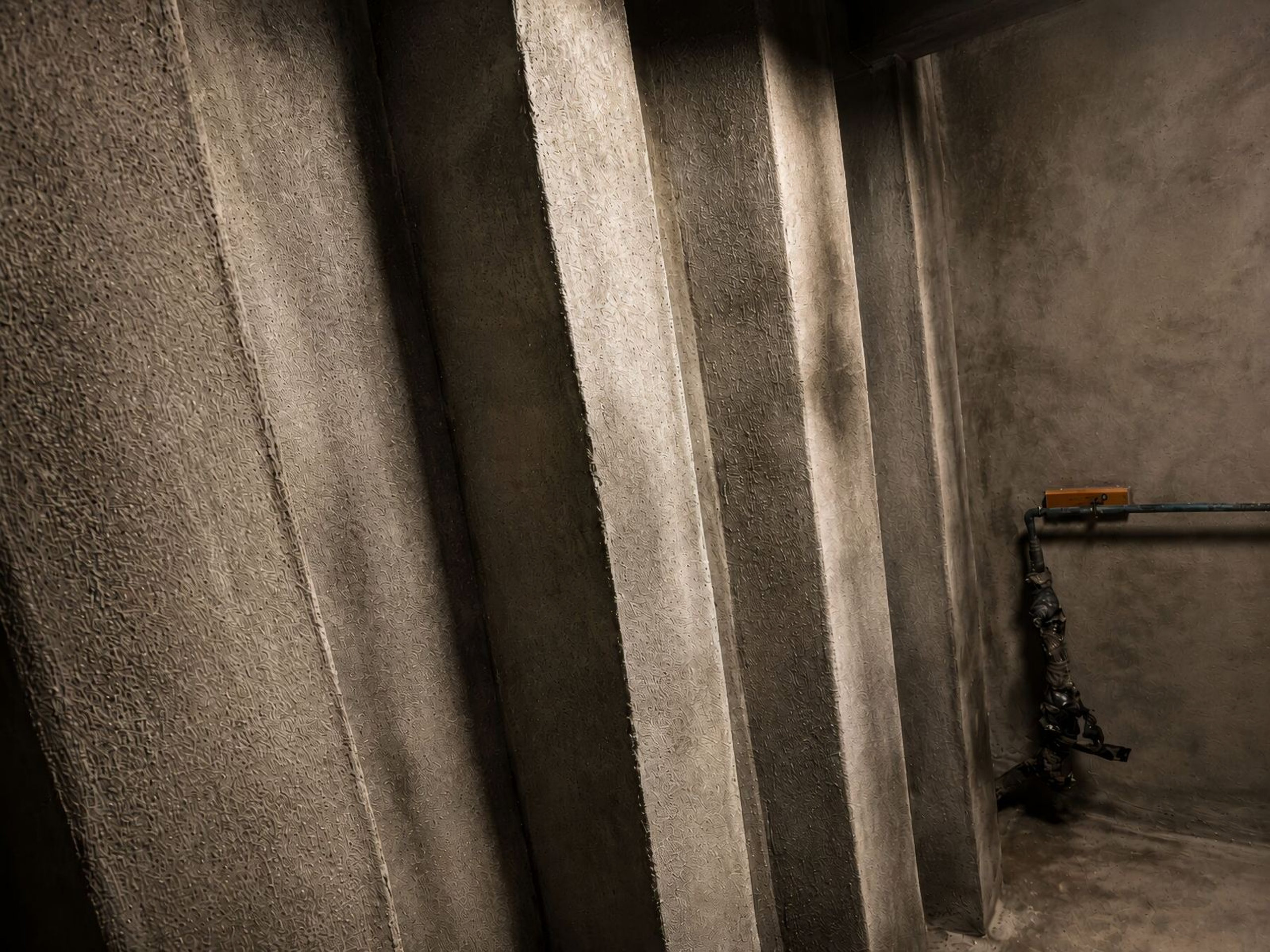
When you need a barrier system
- Vaults and small basements where space is precious
- Soffits and walls that can take a bonded coating
- As the first line of defence in a combined Type A and Type C design
- Remedial work over failed systems, using RenStrength™
4.5 from 43 Google reviews
Book a survey- Est. 1978Specialist waterproofing in London
- £10mProfessional indemnity insurance
- 10-yearRenlon guarantee on qualifying works
- CSSW · CSRTCertified surveyors on every survey
Clients and manufacturers
Clients

 Richardsons Nyewood






 Richardsons NyewoodRichardsons NyewoodRichardsons Nyewood
Approved by manufacturers





How a barrier system works
A Type A system is applied directly to the structure: cementitious renders, slurries, screeds or liquid membranes, built up in coats so the finished surface holds back water.
Because there is no separate lining wall, it keeps more usable space, which matters in vaults and tight basements. The treated surfaces can often be decorated directly.
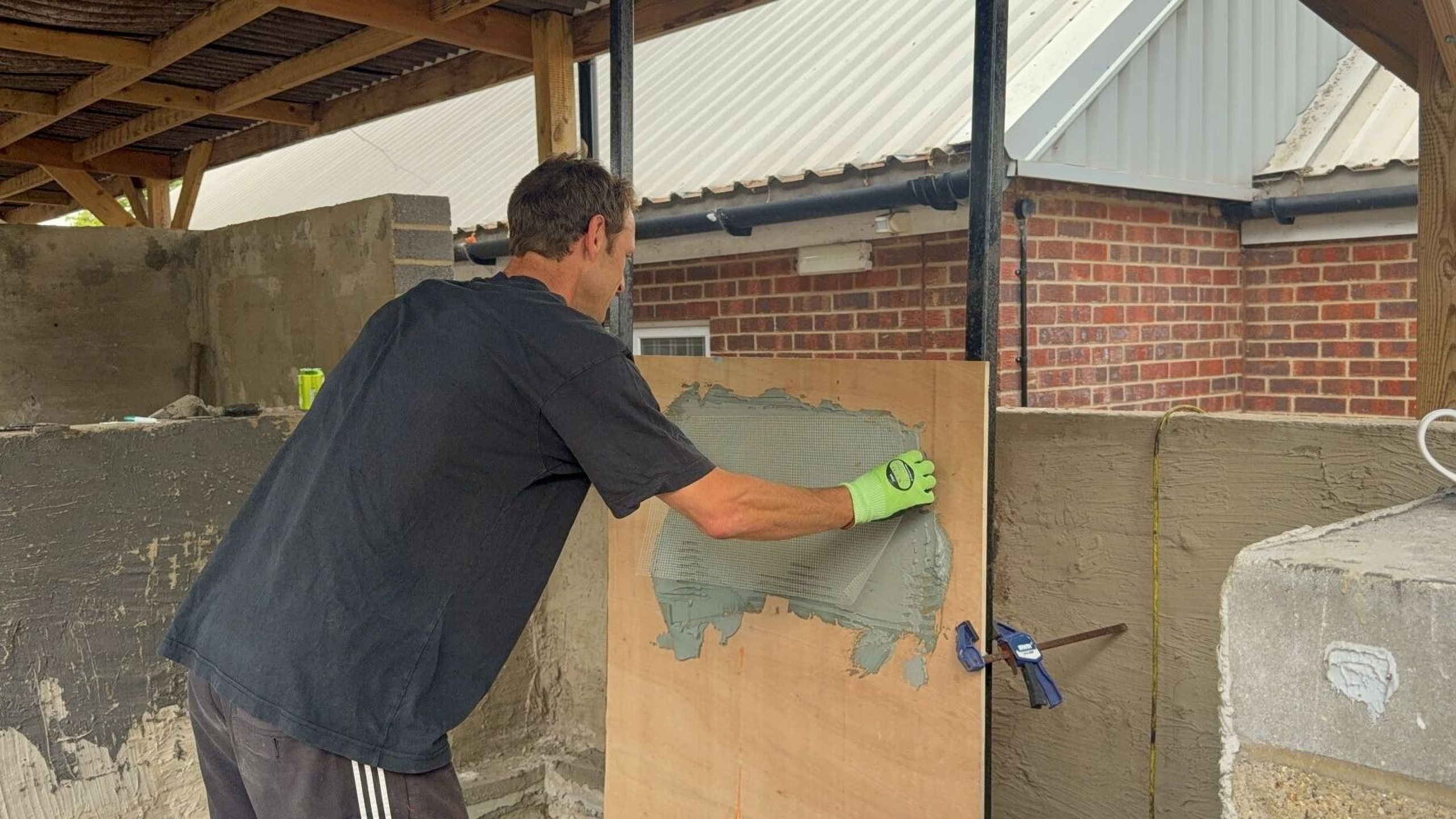
We design it. We install it. We guarantee it.
A waterproof barrier bonded to the walls, floor and soffit that holds water back at the surface. Designed to BS 8102:2022 and installed by our own teams.
Preparation
Walls, floor and soffit are prepared back to a sound substrate, and active leaks are stopped first.
Multi-coat barrier
Waterproof slurries and renders are applied in coats to walls and soffits, with a waterproof screed to the floor.
Junction detailing
Wall–floor junctions and changes of substrate, such as brick to concrete, are sealed with flexible joint details.
Check and hand over
The finished system is checked and handed over with its documentation and guarantee.
Where the water goes
Compare the ways BS 8102 protects a basement, and where we’ve used each one.
Simplified section through a basement wall. Not to scale.
Barrier protection
A waterproof render, slurry or screed is bonded to the inside of the structure and holds the water back at the surface.
Best for
- Vaults and cellars where space matters
- Walls that can take a bonded coating
- Failed old tanking, using RenStrength™
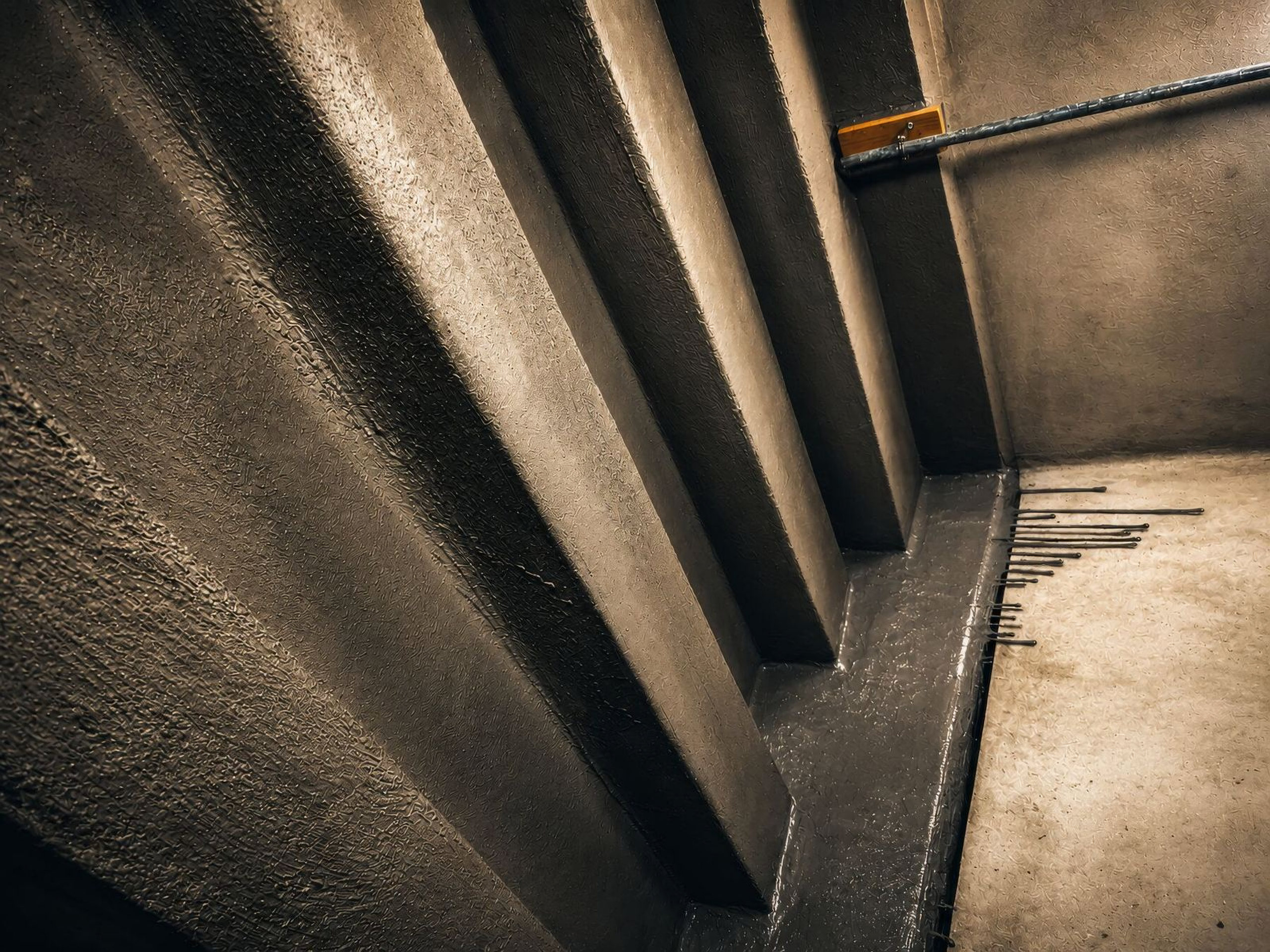
The Ashmolean Museum, Oxford University
Type A waterproofing to the 4,000 m² basement of the world’s first university museum, protecting the collections stored below ground.
“We found the Renlon team to be helpful and the operatives were diligent in ensuring that their installation was carried out to the highest standards to ensure that no further ingress ensued. I would have no hesitation in using Renlon again.”

Recent Type A projects
- 1–5 London Wall2026
- 63 New Bond Street2026
- 20 Finsbury2025
- Film House2025
- Curtain House2024
- Jubilee Plaza2024
- 71 Regent Street2024
- 26 King Street2024
- 50 Hyde Park Gate2023
- 64 St James’s Street2023
The specification
- Standards
- BS 8102:2022
- Manufacturers’ systems we install
- Guarantee
- Qualifying works carry Renlon’s own 10-year guarantee, subject to agreed terms.
- Who designs and installs
- Our own qualified surveyors and directly employed teams, with design responsibility backed by £10m PI cover.
Related services
- Basement & Structural WaterproofingSurvey, BS 8102:2022 design and installation of Type A barrier and Type C cavity drain systems, from one accountable team with £10m PI cover and our own 10-year guarantee.
- Type C Cavity Drain MembranesA drained system that manages water rather than holding it back: studded membranes on the walls and floor channel any water to a sump, where it is pumped away.
- Resin Injection & Leak SealingSealing water-leaking cracks and joints with injection resins to stop the water and restore the structure’s condition.
Type A Barrier Protection (Tanking): questions
Quick answers from our surveyors. Still stuck? Email survey@renlon.com and a qualified surveyor replies.
Does tanking need a lining wall?
No. On our project at 33 Sinclair Gardens an 18 mm multi-coat render and slurry treatment went straight onto the vault walls and soffit, so no lining wall was needed and the surfaces could be decorated directly.
Can tanking go over old render?
Usually the old render has to come off. Our RenStrength™ system is the exception: where suitable, variation RS-2 is designed to go over existing render systems.
What is a Type A system made of?
Cementitious renders, slurries, screeds or liquid membranes, applied directly to the structure and built up in coats so the finished surface holds back water.
Can Type A be combined with Type C?
Yes. On deeper or higher-risk basements BS 8102 often calls for combined protection, and a Type A barrier is a common first line of defence alongside a Type C membrane.